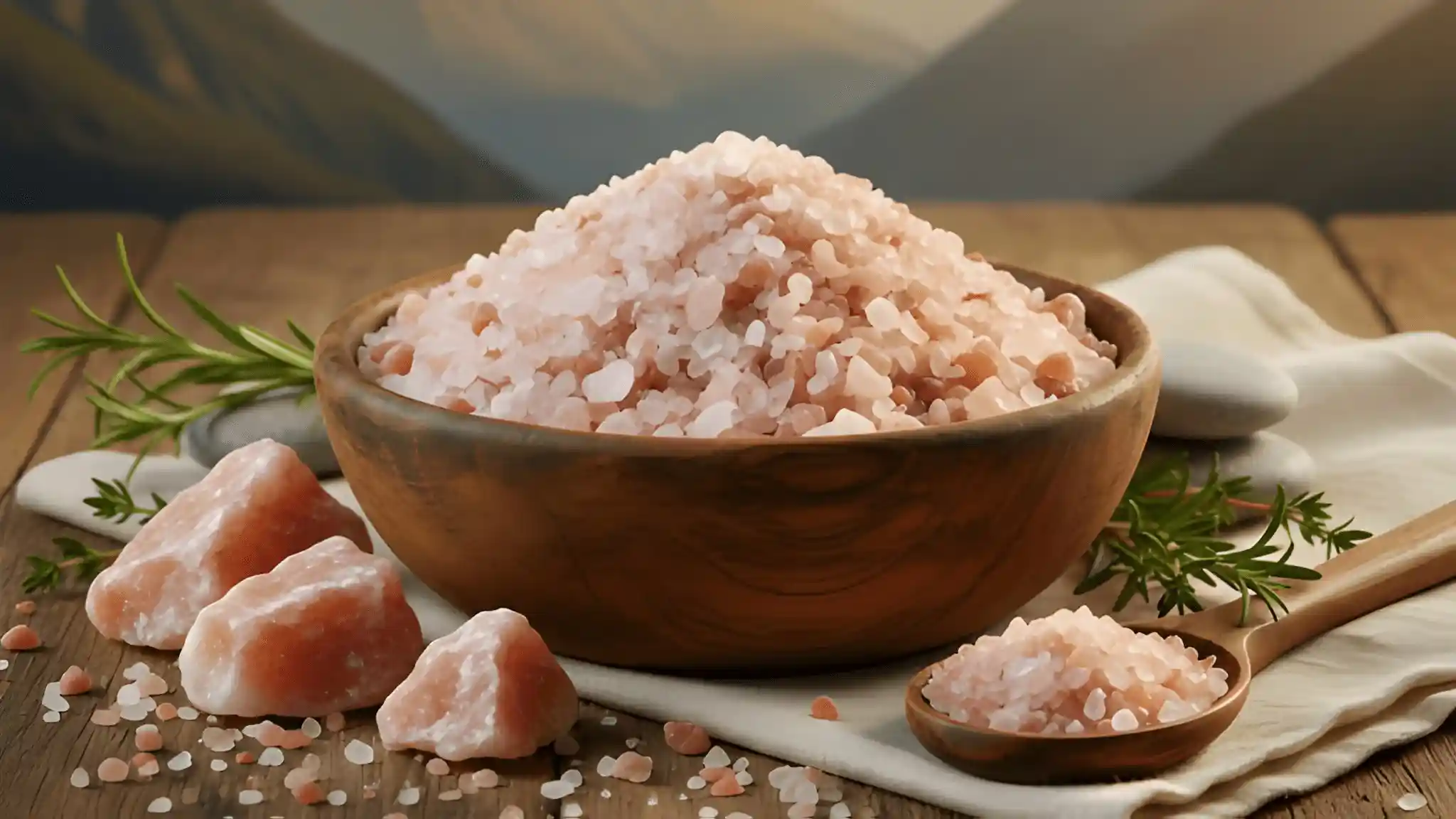
Deep beneath the Salt Range in Pakistan’s Punjab region lies a geological treasure that has captured the world’s imagination. Often marketed under the romanticized name of Himalayan Salt, this pink-hued mineral is actually harvested from the Khewra Salt Mine, one of the oldest and largest salt mines on earth. Its journey from an ancient, evaporated sea to your kitchen table is a story of deep time, legendary discoveries, and a unique mineral profile that sets it apart from any other seasoning.
An Ancient Legacy
The origins of Himalayan salt date back approximately 250 to 300 million years. It formed when an inland sea evaporated, leaving behind massive deposits of sea salt. Over eons, tectonic shifts buried these deposits deep underground, protecting them from modern pollutants and intense environmental changes. Legend has it that the mine was discovered not by humans, but by the horses of Alexander the Great in 326 BC, who began licking the salty rocks while the army rested nearby. Today, the mine is a labyrinth of nearly 25 miles of tunnels, reaching 19 stories deep into the earth.
Why is it Pink?
The most striking feature of this salt is its vibrant color, ranging from bone-white to deep beet-red. This spectrum is a direct result of its unrefined state. While common table salt is heavily processed and stripped of minerals, Himalayan salt remains largely intact. Its signature rosy glow comes primarily from iron oxide (rust), but it also contains trace amounts of:
- Magnesium
- Potassium
- Calcium
- Zinc
These minerals don’t just provide color; they offer a more complex, “rounded” flavor profile that lacks the sharp, chemical bite often associated with refined salts.
Beyond the Shaker: Culinary and Wellness Uses
Because of its unique crystalline structure and purity, Himalayan salt has found a home far beyond the dinner plate.
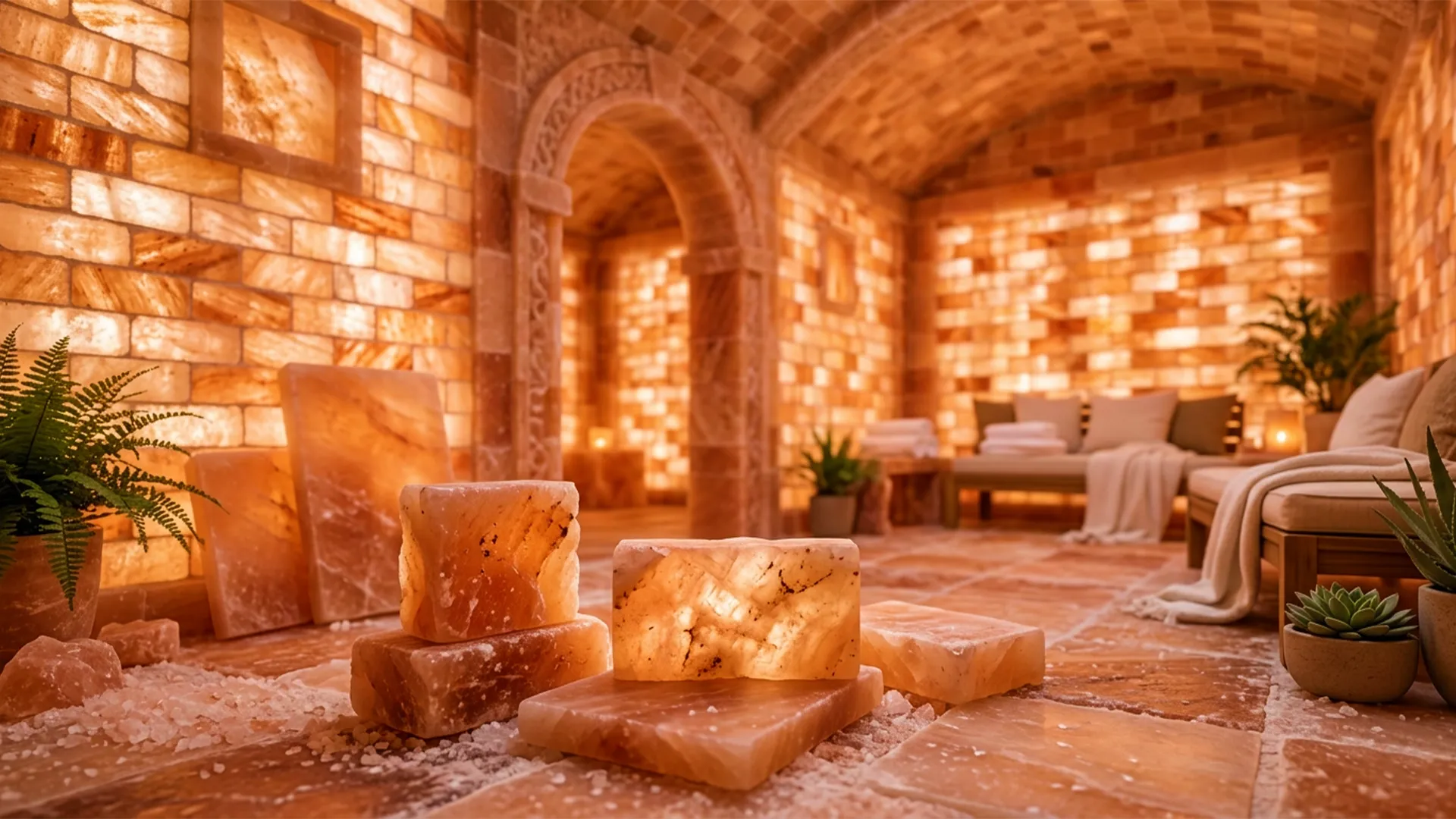
- Salt Blocks: Large slabs of salt can be heated to high temperatures for searing meats and vegetables, or chilled to serve as an elegant, naturally antimicrobial platter for sushi or fruits.
- Mindful Seasoning: Many chefs prefer the coarse texture of pink salt as a “finishing salt.” A light sprinkle just before serving adds a delicate crunch and a burst of mineral richness.
- Wellness Rituals: In the realm of self-care, this salt is prized for its role in Halotherapy (salt therapy) and detoxifying bath soaks. It is believed that the minerals help soothe sore muscles and soften the skin.
While it is still sodium chloride and should be consumed in moderation, the switch to Himalayan salt is often a step toward more intentional cooking. By choosing a salt that is minimally processed and rich in history, you aren’t just seasoning your food; you are connecting with a piece of the earth’s ancient past.